
Spanish Wine
Spain has more land under vine than any country on earth, and a habit of being overlooked for it. Most people know Rioja and stop there, which is a shame,... Read more
WINE
WINE
SHOP BY WINE TYPE
SHOP PRE-MIXED CASES
SHOP BY DIETARY REQUIREMENT
BEER
BEER
Spain has more land under vine than any country on earth, and a habit of being overlooked for it. Most people know Rioja and stop there, which is a shame,... Read more
Spain has more land under vine than any country on earth, and a habit of being overlooked for it. Most people know Rioja and stop there, which is a shame, because Spanish wine offers better value than almost anywhere and, as it happens, includes the lightest wines we sell.
Our Spanish range starts at 72 calories a glass. Every bottle lists its calorie count, sugar content and ABV.
Alcohol carries around 7 calories per gram and does most of the work in any dry wine. So the strength of the bottle largely determines the number, and Spain produces at both ends of that scale.
Hot regions like Ribera del Duero and Toro make powerful reds at 14% and above. But cooler, higher sites, and producers picking earlier for freshness, turn out wines at 10.5 to 11% that carry considerably less. Our Spanish range sits almost entirely at that lighter end.
The pattern across the collection is close to a straight line:
| ABV | Calories per 125ml | Style |
|---|---|---|
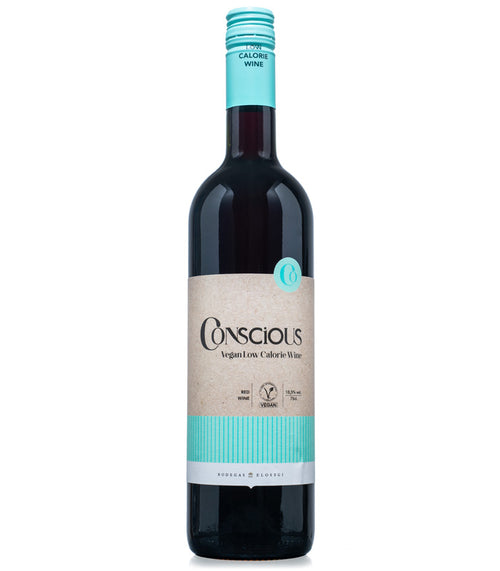
| 10.5% | 72 | Light Tempranillo and rosé |
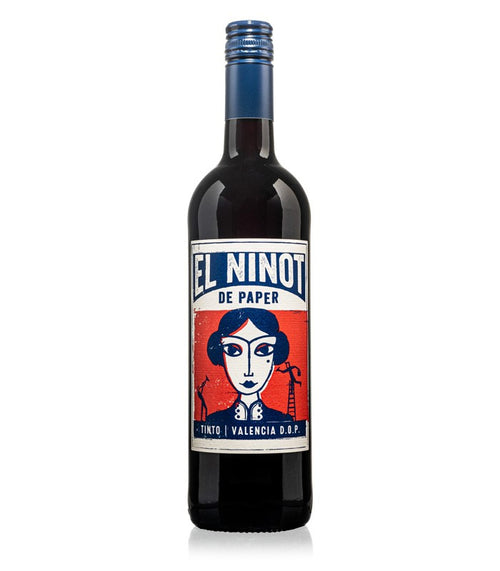
| 11% | 76 | Garnacha blends and easy-drinking reds |
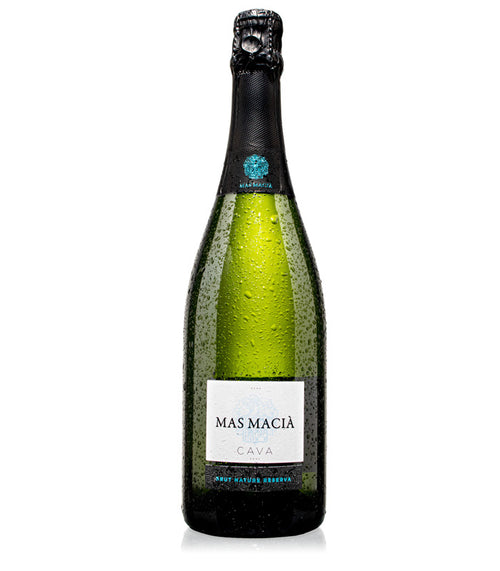
| 11.5% | 79 | Cava, Brut Nature |
| 12% | 83 | Cava Reserva |
| 12.5% | 87 | White Rioja |
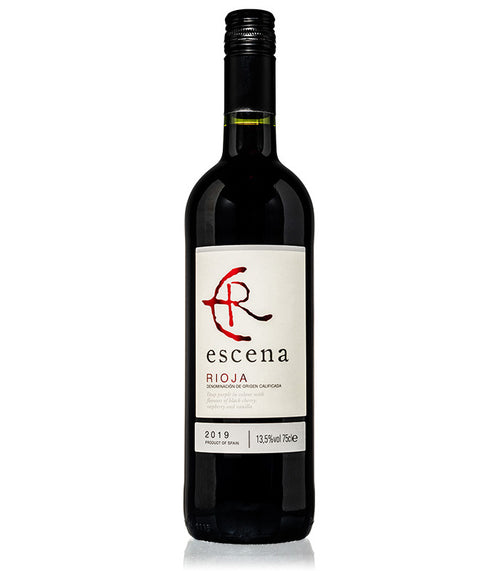
| 13.5% | 94 | Classic oaked Rioja |
Seven calories for every percentage point of alcohol, almost exactly. Three percent separates the lightest wine here from a traditional Rioja, and that is 22 calories a glass, or 132 across a bottle.
Spain's signature red grape, and the backbone of Rioja. Medium-bodied, with strawberry and plum fruit, a savoury edge and soft tannins that make it easy to drink on its own rather than needing food.
The oak is what people usually recognise. Traditional Rioja spends time in American oak barrels, which gives it the vanilla and coconut character the region is known for, and it tends to be fuller and stronger as a result. Younger unoaked Tempranillo is fresher, fruitier and noticeably lighter, which is where the 10.5% wines in this collection come from.
Both are Tempranillo. They just taste like different wines.
Spain's other great red grape, and one you may already drink without realising. Garnacha is the same grape the French call Grenache, and it is the backbone of Châteauneuf-du-Pape and most southern French rosé.
It originated in Aragón in north east Spain and spread across the Pyrenees from there. Ripe red fruit, soft tannins, a hint of white pepper, and generous without being heavy. Blended with Shiraz it makes some of the best value red wine in Europe.
Spain's sparkling wine, made in the same way as Champagne with a second fermentation in the bottle, and mostly produced in Catalonia around Penedès. The grapes are different, principally Macabeo, Xarel-lo and Parellada, which is why it tastes of citrus and almond rather than brioche.
What makes it worth knowing about is the Brut Nature classification. It means no sugar has been added after disgorgement, which makes it the driest sparkling wine you can buy, from anywhere. Spain produces more of it than any other country, and both Cavas in this collection are made in that style at 0g of sugar.
Our guide to sugar in sparkling wine explains how the classifications work, and they apply to Cava exactly as they do to Prosecco and Champagne.
Rioja
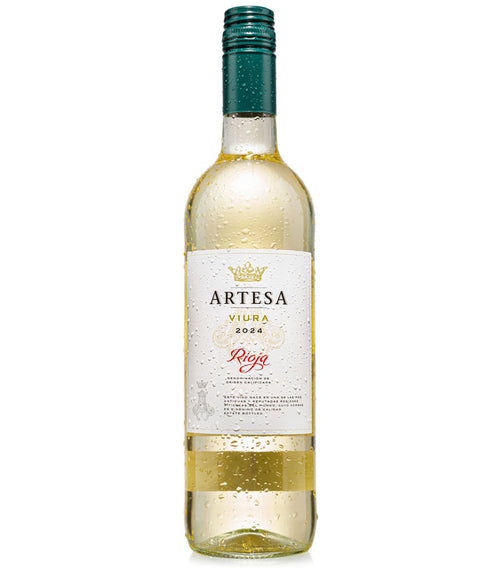
Northern Spain, along the Ebro valley, and the most recognised name in Spanish wine. Tempranillo dominates, usually blended with a little Garnacha, and the wines are classified by how long they have aged: Joven, Crianza, Reserva and Gran Reserva. White Rioja, made from Viura, is a quiet success story and considerably better than its reputation suggests.
Catalonia
The north east corner, taking in Penedès, where almost all Cava is made, and Priorat, where old Garnacha and Cariñena vines on steep slate slopes produce some of Spain's most concentrated reds.
Ribera del Duero
North central Spain, in Castilla y León, following the Duero river. High altitude, hot days and cold nights, and Tempranillo, known locally as Tinto Fino, produces deep, powerful reds here. Typically stronger and fuller than Rioja.
Rías Baixas
The green, rainy north west, in Galicia. Spain's best known white wine region, built on Albariño, which produces crisp, aromatic wines with citrus, peach and a saline note from the Atlantic.
Two things worth knowing, and both are more useful than the region alone.
The quality classification. DOP, Denominación de Origen Protegida, means every stage of production happened in the named area and the grapes are regulated. IGP is looser, requiring only one stage to happen there. Rioja and a handful of others hold DOCa status, a step above DOP.
The ageing terms. Joven means little or no oak and is drunk young. Crianza has spent at least a year in barrel. Reserva and Gran Reserva have had longer still. More oak generally means a fuller, stronger wine, so if you want something lighter, Joven is the word to look for.
Phoenician traders brought vine cuttings to the Iberian peninsula around 1100 BC, founding Cádiz and planting the first commercial vineyards, though there is archaeological evidence of grape cultivation long before that. The Romans expanded production considerably and shipped Spanish wine across the empire.
Spain's modern reputation is younger than most people assume. Rioja's rise dates to the 1860s, when phylloxera devastated French vineyards and Bordeaux winemakers crossed the Pyrenees, bringing barrel ageing with them. That is why traditional Rioja tastes the way it does.
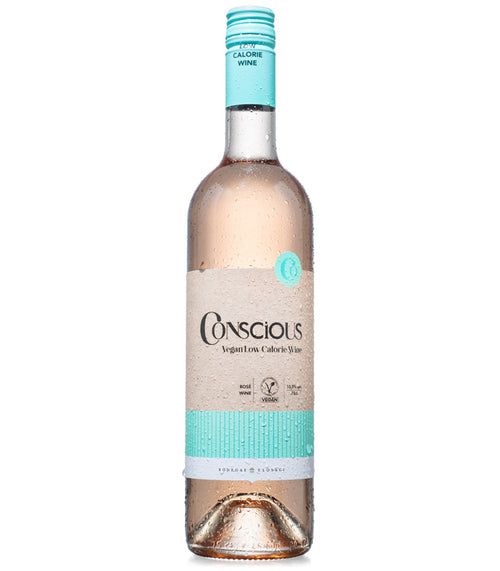
The lightest: unoaked Tempranillo and Spanish rosé at 10.5% ABV, 72 calories a glass with 0g of sugar. The lightest wines we stock from anywhere.
For everyday red: Garnacha and Garnacha blends at 11%, 76 calories, soft and fruit-led.
For something classic: oaked Rioja at 13.5%, fuller and more structured, at 94 calories.
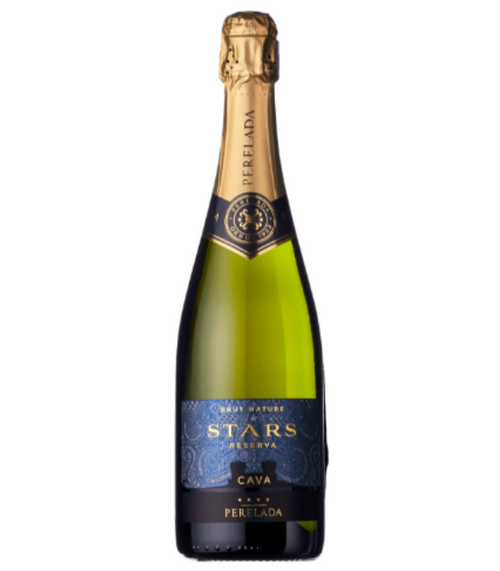
For sparkling: Brut Nature Cava, the driest sparkling style made anywhere, from 79 calories.
Spain is a red wine country above all, and our guide to calories in a bottle of red wine covers how the numbers work across styles. There is more on dry winemaking in which wines have the lowest sugar content.
Which Spanish wine has the fewest calories?
Unoaked Tempranillo and Spanish rosé at 10.5% ABV, which come in at 72 calories per 125ml glass. Those are the lightest wines in our entire range, not just the Spanish part of it.
Is Rioja high in calories?
Traditional oaked Rioja tends to be, because it is usually 13.5% or above, which puts it around 94 calories a glass. Younger, unoaked Tempranillo from the same grape is considerably lighter.
What is the difference between Garnacha and Grenache?
Nothing. It is the same grape. Garnacha is the Spanish name and Grenache the French one. It originated in Aragón and spread into southern France, where it became the basis of Châteauneuf-du-Pape and most Provence rosé.
Is Cava drier than Prosecco?
It can be. Both use the same sweetness classifications, but Spain produces far more Brut Nature, which has no sugar added after disgorgement and is the driest style available. A Brut Nature Cava will be drier than a standard Brut Prosecco.
What does Crianza mean on a Spanish wine label?
That the wine has aged at least two years, including a minimum of one year in oak barrel. Reserva and Gran Reserva have aged longer. Joven means little or no oak ageing.
Are Spanish wines vegan?
Some are and some are not, depending on how the wine was clarified after fermentation. Vegan status is listed on every product page here, and our guide to whether red wine is vegan explains why it varies.
| Red wine | Tempranillo, Garnacha, Merlot and more, with calories listed |
| French wine | Where Garnacha becomes Grenache. Provence rosé and Bordeaux |
| Red wine cases | Better value at 6 and 12 |
Keep up to date with all of our latest products & promotions. We regularly run promotions and discounts, along with listing new and exciting products.
We never share your information! View our Privacy Policy