
Low Sugar Wine
Low Sugar Wine UK — Zero Sugar, Full Strength | DrinkWell
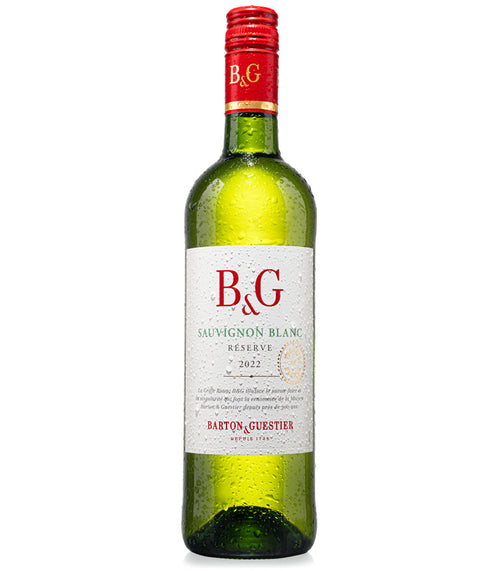
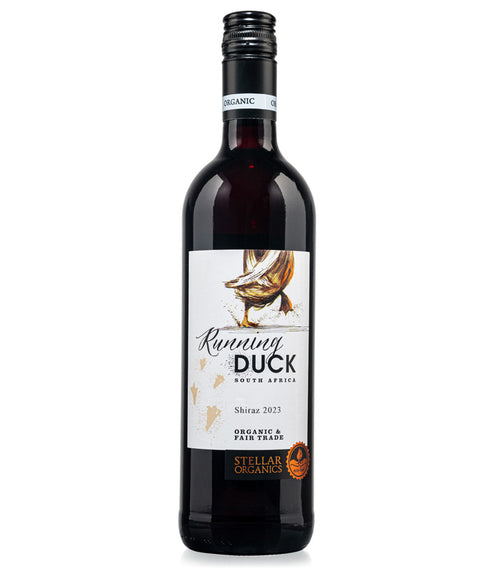
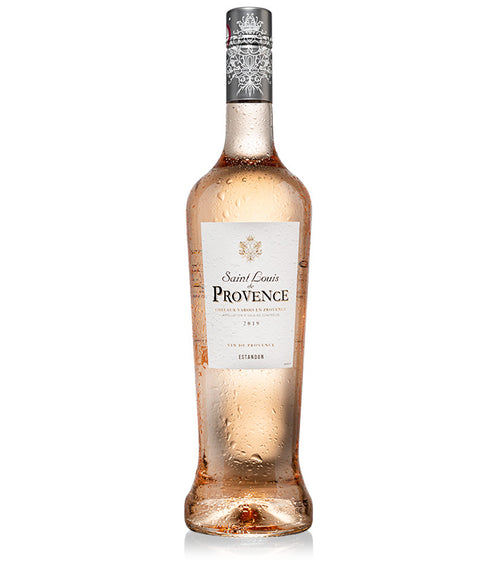
Every wine in this collection contains 0g of sugar per 125ml glass. Not ‘reduced sugar’. Not ‘lower sugar’. Zero. These... Read more
WINE
WINE
SHOP BY WINE TYPE
SHOP PRE-MIXED CASES
SHOP BY DIETARY REQUIREMENT
BEER
BEER
Low Sugar Wine UK — Zero Sugar, Full Strength | DrinkWell
Every wine in this collection contains 0g of sugar per 125ml glass. Not ‘reduced sugar’. Not ‘lower sugar’. Zero. These... Read more
Low Sugar Wine UK — Zero Sugar, Full Strength | DrinkWell
Every wine in this collection contains 0g of sugar per 125ml glass. Not ‘reduced sugar’. Not ‘lower sugar’. Zero. These are dry, full-strength wines where fermentation has converted essentially all the natural grape sugars into alcohol — leaving nothing artificial, nothing added, and nothing to hide. Whether you're managing your sugar intake for health reasons, following a low-carb or keto diet, or simply drinking more mindfully, you'll find over 200 options here that don't ask you to sacrifice flavour.
Full sugar, calorie, and ABV data on every product page. Free delivery over £99.
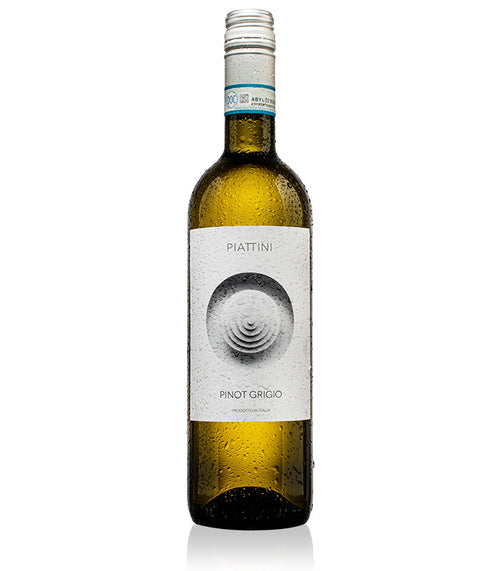
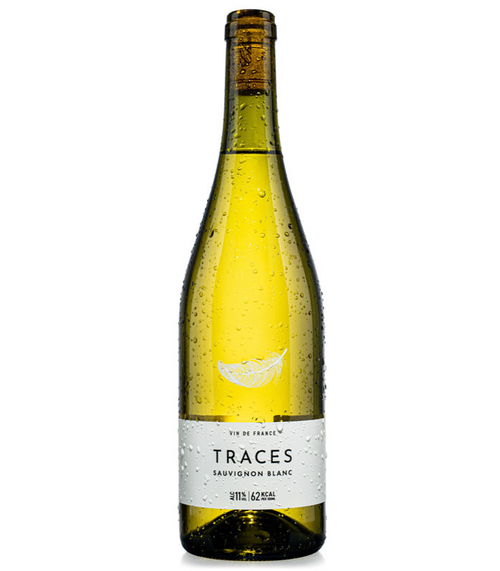
It varies significantly. A dry wine — the kind most people drink with dinner — typically contains between 0g and 4g of residual sugar per litre. A typical Pinot Grigio or Sauvignon Blanc sits at around 1–3g/litre. However, many commercial wines, particularly rosés and some whites marketed as ‘smooth’ or ‘easy drinking’, contain much more — often 10–20g/litre or higher. Sweet wines and dessert wines can reach 80–300g/litre. Every wine in our collection contains 0g of sugar per 125ml serving — confirmed, not estimated.
Wine sugar comes from residual sugar — the natural grape sugars that remain after fermentation. During winemaking, yeast converts grape sugar into alcohol and CO2. In a fully dry wine, fermentation goes to completion and almost all sugar is converted. In sweeter wines, fermentation is stopped early, leaving more residual sugar. Some producers also add grape concentrate or other sugar sources after fermentation to adjust flavour, sweetness, or body. At DrinkWell, we only stock wines where the winemaker has allowed full dry fermentation — no back-sweetening, no additives.
Largely, yes. A wine is classified as ‘dry’ in EU terms when it contains less than 4g/litre of residual sugar. Wines with 0g of sugar per 125ml serving (which equates to less than approximately 2.4g/litre) are at the driest end of this spectrum. All wines in our collection meet this standard. The important distinction is between ‘dry’ on a label (which can still include up to 4g/litre under EU law) and ‘zero sugar’ as we define it — confirmed at 0g per serving through producer data.
For most people watching their health, lower sugar wine offers meaningful benefits: fewer calories per glass, lower glycaemic impact, and reduced risk of the headaches and next-day effects often associated with high-residual-sugar wines. For people managing blood sugar — including those with type 2 diabetes or insulin resistance — a wine with 0g of residual sugar is significantly preferable to a standard commercial bottle. We'd always recommend discussing alcohol consumption with your GP if you have a specific health condition.
The two are closely linked but not identical. Sugar contributes roughly 4 calories per gram, so 0g of sugar removes some calories — but the main calorie driver in wine is alcohol (approximately 7 calories per gram). A zero-sugar wine at 14% ABV will still contain more calories than a zero-sugar wine at 11% ABV. At DrinkWell we aim to stock wines that are both genuinely low in sugar and lower in calories than equivalent supermarket bottles. Full calorie and sugar data is listed on every product page.
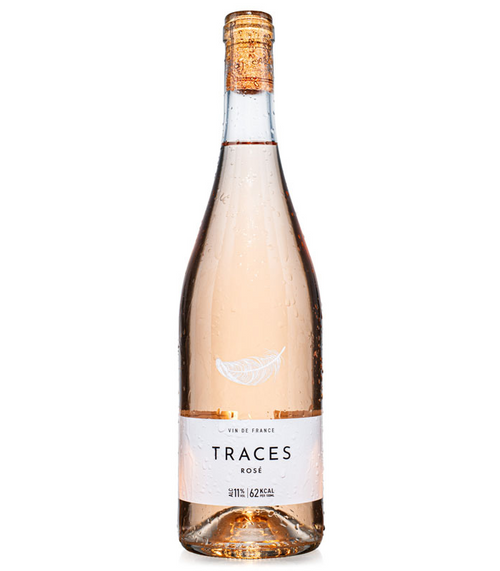
The driest, lowest-sugar wine styles are: Brut Nature and Extra Brut sparkling wines, dry Sauvignon Blanc, Pinot Grigio, Picpoul de Pinet, Albariño, Muscadet, and most traditional Old World reds from Rioja, Bordeaux, and Tuscany. Off-dry styles — including many Rieslings, Gewürztraminer, Vinho Verde, and rosés from major supermarkets — tend to be higher in sugar. All wines in our collection are zero sugar, so every product on this page is safe to choose.
A wine with 0g of residual sugar has minimal direct impact on blood glucose, compared to a standard commercial bottle. However, alcohol itself can affect blood sugar levels through its impact on the liver, and every person with diabetes responds differently. We'd always recommend discussing alcohol with your healthcare provider. For further information, see our dedicated wine for diabetics collection.
Yes — all of our mixed wine cases are built around zero-sugar wines. Our Clean Mixed Case is specifically curated around our cleanest, most additive-free bottles and is one of our most popular starting points for new customers. Free delivery on all orders over £99.
Read lessKeep up to date with all of our latest products & promotions. We regularly run promotions and discounts, along with listing new and exciting products.
We never share your information! View our Privacy Policy